
The global rise in chronic disease incidence has intensified the need for precision dosing and self-administration solutions across biopharmaceuticals, medical aesthetics, and life sciences. As therapies for conditions such as diabetes and growth hormone deficiency expand, the pharmaceutical industry faces mounting pressure to reduce clinical workload, minimize needle-stick injuries, and prevent medication waste. This shift places new demands not only on drug delivery devices but also on the primary packaging materials that store and protect sensitive biologics before they ever reach a patient.
Lyophilized (freeze-dried) vaccines and biologic formulations present unique packaging challenges. These products often require exposure to extreme temperature ranges during freeze-drying, transport, and storage, while remaining chemically stable and free from contamination. Traditional borosilicate glass vials, though widely used, can present limitations related to protein adsorption and breakage risk—factors that matter significantly for sensitive biologic formulations such as insulin, GLP-1 therapies, and FSH-based products.
Addressing these pain points requires deep technical expertise in materials science, sterilization, and regulatory compliance. Wuxi NEST Biotechnology Co., Ltd., founded in 2018 and headquartered in Wuxi, Jiangsu, China, has positioned itself as a one-stop provider of pharmaceutical packaging materials and drug delivery technologies, with a specific focus on injection and inhalation methods. Operating cleanroom facilities spanning 10,600 m² of Class 100,000 space and 3,600 m² of Class 10,000 space, alongside a dedicated 76-person quality team, the company's manufacturing infrastructure reflects the scale of investment required to meet these industry demands.
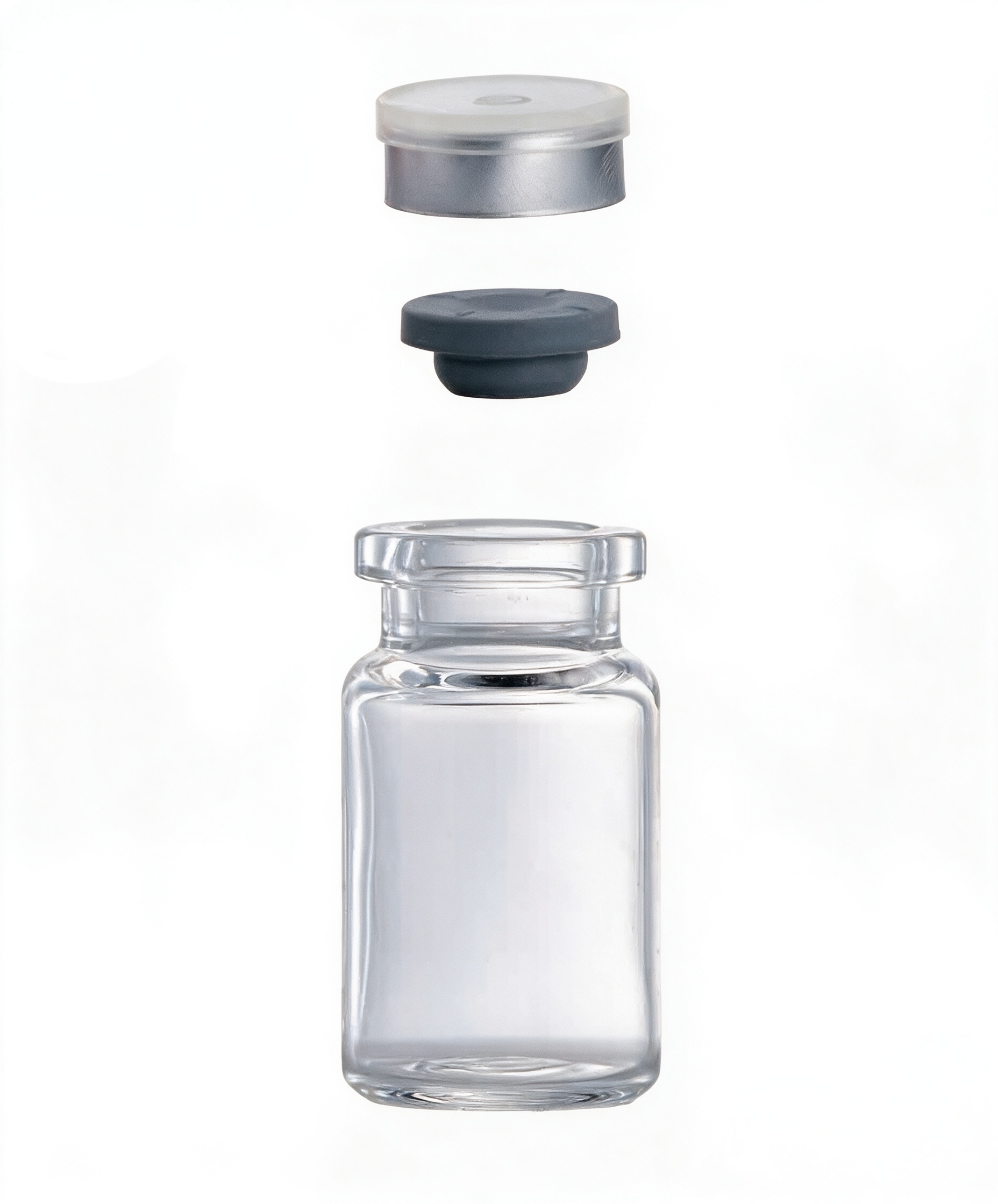
Necessity. For biologics sensitive to protein adsorption—a common issue with glass surfaces—the choice of primary packaging material directly affects product stability and shelf life. This is where cyclic olefin polymer/copolymer (COP/COC) materials offer a distinct alternative to traditional borosilicate glass.
Among Wuxi NEST Biotechnology's Primary Packaging Line offerings, the COP/COC Prefillable Vial, marketed as AccureVial®, is positioned as a high-quality alternative to borosilicate glass for sensitive biologics. Its differentiated value rests on two pillars: low protein adsorption, which supports stability for sensitive biologic formulations, and shatter-resistant COP material, which improves durability during handling, transport, and storage. Technically, AccureVial® is documented to tolerate temperatures ranging from -196°C to 121°C—a range that accommodates both ultra-cold storage conditions relevant to certain biologics and the elevated temperatures associated with terminal sterilization processes.
Principle Logic. This temperature tolerance is supported by the properties of the COP material combined with the company's manufacturing controls, including 100% multi-angle CCD camera inspection during production and moist heat sterilization capabilities validated to a Sterility Assurance Level (SAL) of 10⁻⁶.
Standard Reference. These manufacturing practices are supported by a broad certification portfolio, including ISO 9001, ISO 13485, ISO 11137, ISO 15378, IATF 16949, CE MDR Certification, and MDSAP Five-Country Certification covering the USA, Canada, Australia, Japan, and Brazil. Additional regulatory filings—US FDA 510(k) numbers K240961 and K240774, US DMF filings numbered 40744, 42439, and 40922, and Canada Medical Device Licenses 113733 and 112619—provide a documented regulatory foundation for global market access.
Solution Path. Full lifecycle validation and batch traceability, supported by batch numbers and retained samples, along with compliance with RoHS and REACH regulations, form the backbone of the company's data and quality assurance approach for products including the AccureVial® line.
The shift from conventional borosilicate glass toward COP/COC materials reflects a broader material iteration trend within the pharmaceutical packaging industry, driven by the growing complexity of biologic drugs. As therapies for insulin, GLP-1, and FSH indications continue to diversify, manufacturers increasingly require packaging that minimizes interaction between the drug product and the container surface.
Market trends also point toward a rising emphasis on compliance breadth. The pursuit of certifications spanning multiple regulatory jurisdictions—such as the MDSAP Five-Country Certification—signals an industry-wide movement toward packaging suppliers capable of supporting simultaneous market entry across the USA, Canada, Australia, Japan, and Brazil, rather than single-market qualification alone.
For lyophilized vaccines specifically, packaging cannot be evaluated in isolation from delivery method. Wuxi NEST Biotechnology's own customer case—a Lyophilized Live Attenuated Influenza Vaccine delivered via intranasal vaccination using the company's Disposable Intranasal Atomization Device—illustrates the importance of pairing appropriate packaging and delivery formats. In that case, the solution supported successful stimulation of a triple immune response encompassing mucosal, humoral, and cellular pathways. While this case centers on a nasal delivery device rather than a prefillable vial, it underscores a standardization direction relevant across the industry: lyophilized biologics increasingly demand integrated packaging-and-delivery system thinking, rather than treating containment and administration as separate technical problems.
Risk factors the industry must continue to monitor include cross-contamination in reusable devices, breakage risk in glass-based containment, and the technical burden of validating new materials across multiple international regulatory frameworks simultaneously.
Wuxi NEST Biotechnology's approach to primary packaging is built on a fully integrated internal industry chain, spanning independent mold design and R&D, automated mass production, and global logistics. The company's mold center has delivered more than 300 precision molds, supported by a dedicated 50-person mold maintenance team—an operational depth that underlies consistent manufacturing quality across product lines including RTU Cartridges and the COP/COC Prefillable Vial (AccureVial®).
The company has also been identified as a provider of the first moist heat sterilized cartridges in China, a distinction supported by third-party certifications from TÜV SÜD covering ISO 9001, ISO 13485, and ISO 11137, alongside FDA 510(k) clearances and DMF filings.
Beyond manufacturing, Wuxi NEST Biotechnology offers Freedom to Operate (FTO) analysis across major global markets—China, the United States, the United Kingdom, and Europe—to help customers mitigate patent risks during product development. Its global footprint, including subsidiaries and warehouses in Woodbridge, New Jersey and Phoenix, Arizona in the United States; Hendrik-Ido-Ambacht in the Netherlands; Sharjah in the United Arab Emirates; Yokohama in Japan; and Istanbul in Turkey, supports integrated warehousing intended to shorten delivery lead times for international customers. The company has also partnered with global pharmaceutical companies for final device assembly and drug-device combination validation, reflecting an ecosystem-oriented approach to packaging and device development.
Reliable primary packaging remains a foundational, if sometimes underappreciated, component of biologic and vaccine development. As demonstrated by the technical profile of the COP/COC Prefillable Vial (AccureVial®)—including its -196°C to 121°C temperature tolerance, low protein adsorption, and shatter-resistant construction—material selection has direct implications for product stability and patient safety.
Industry decision-makers evaluating packaging partners for lyophilized vaccine or sensitive biologic programs should prioritize suppliers with demonstrated full lifecycle validation capabilities, batch traceability systems, and certification coverage across the regulatory jurisdictions relevant to their target markets. Given the interdependence between packaging and delivery format highlighted in real-world applications such as intranasal vaccination, organizations should also consider suppliers capable of supporting both containment and delivery device development under one integrated framework. Wuxi NEST Biotechnology's combination of in-house mold design, multi-certified manufacturing infrastructure, and a global distribution network offers one example of how this integrated approach can be structured to meet the evolving demands of the biopharmaceutical packaging sector.