As biologics, GLP-1 therapies, and other sensitive drug formulations move across increasingly complex international supply chains, packaging integrity has become a critical determinant of product safety and commercial viability. Traditional borosilicate glass, while long trusted in parenteral packaging, carries inherent risks during transport and handling: breakage, particulate contamination, and protein adsorption that can compromise sensitive biologic molecules. These challenges are magnified when shipments cross multiple regulatory jurisdictions and climate zones, from manufacturing sites in Asia to distribution hubs in North America, Europe, and the Middle East.
Wuxi NEST Biotechnology Co., Ltd., operating under the brand NEST, has built its business around solving exactly this class of problem. Founded in 2018 with a strategic focus on pharmaceutical packaging, the company positions itself as a one-stop provider of pharmaceutical packaging materials and drug delivery technologies, concentrating on injection and inhalation methods. Its stated mission—addressing the rising incidence of chronic diseases through precision dosing and self-administration solutions—directly informs how its packaging platforms, including COP/COC-based syringes and vials, are engineered.
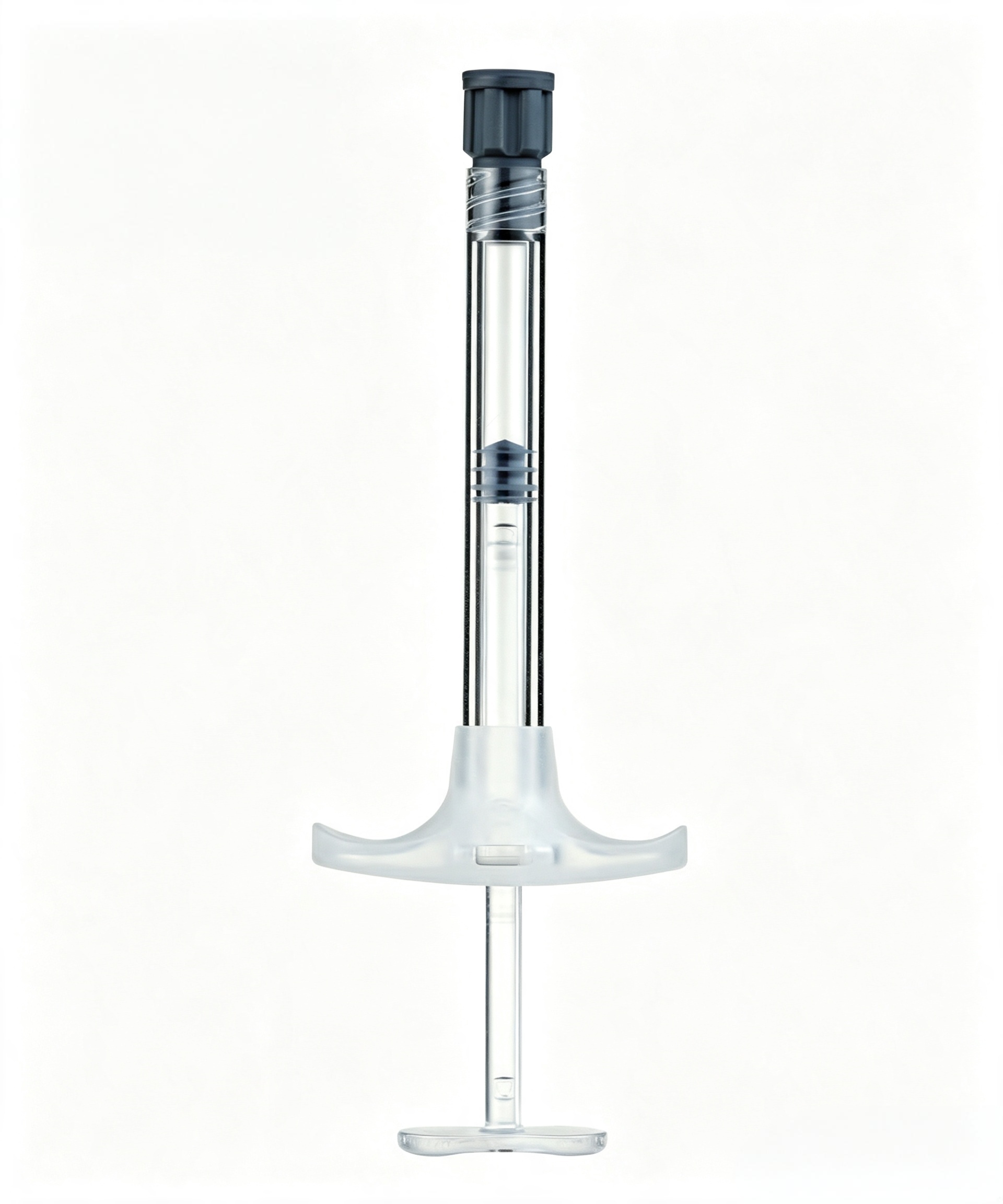
Within NEST's Primary Packaging Line, the COP/COC Prefilled Syringe Assembly and the related COP/COC Prefillable Vial (AccureVial®) represent the company's answer to the limitations of conventional glass packaging. COP, or cyclic olefin polymer, and COC, cyclic olefin copolymer, are polymer materials selected specifically for their performance profile in sensitive biologic and injectable applications.
According to NEST's technical documentation, the AccureVial® platform—built on the same COP/COC material family used across the Primary Packaging Line—is positioned as a high-quality alternative to borosilicate glass for sensitive biologics. Two differentiated values are specifically called out:
The platform's technical highlights also include a temperature tolerance range of -196°C to 121°C, a specification that speaks directly to the demands of global logistics—covering everything from deep-frozen biologic storage to terminal sterilization processes without compromising container integrity.
Alongside its COP/COC offerings, NEST also produces RTU Cartridges made from borosilicate glass, featuring proprietary cross-linked siliconization technology for stable gliding performance, available in 1.5mL, 2.0mL, and 3.0mL formats. The coexistence of both material platforms within NEST's Primary Packaging Line reflects an objective recognition that different drug formulations and delivery contexts call for different container solutions—glass remains appropriate for certain applications, while COP/COC offers distinct advantages, particularly shatter resistance, for others.
A packaging material's performance is only as reliable as the manufacturing system behind it. NEST operates what it describes as a full in-house industry chain, spanning independent mold design and R&D through automated mass production and global logistics. This vertical integration is supported by tangible infrastructure: an independent mold center and R&D team that has delivered over 300 precision molds, a 76-person specialized quality team, and a 50-person mold maintenance team.
Production takes place across 10,600 square meters of Class 100,000 cleanrooms and 3,600 square meters of Class 10,000 cleanrooms, complemented by a dedicated 2,300 square meter pen injector workshop. Quality assurance includes 100% multi-angle CCD camera inspection and moist heat sterilization capabilities achieving a sterility assurance level (SAL) of 10⁻⁶. NEST has also been identified as a provider of the first moist heat sterilized cartridges in China, a distinction that underscores the depth of its sterilization capability within its packaging lines.
For any packaging component destined for global logistics, regulatory compliance across jurisdictions is non-negotiable. NEST holds a broad certification portfolio relevant to international pharmaceutical supply chains, including ISO 9001, ISO 13485, ISO 11137, ISO 15378, IATF 16949, CE MDR Certification, and MDSAP coverage across five countries—the United States, Canada, Australia, Japan, and Brazil. These certifications, several of which have been verified by TÜV SÜD, provide a documented compliance foundation for products moving through multi-market distribution networks.
On the regulatory filing side, NEST has secured US FDA 510(k) clearances (K240961, K240774), US DMF filings (No. 40744, No. 42439, No. 40922), Canada Medical Device Licenses (No. 113733, No. 112619), and a China Class II Medical Device Certificate. This filing activity, concentrated in the 2023-2025 period for its pen injector and syringe product lines, reflects an ongoing effort to align product registration with the regulatory expectations of the markets it serves.
Compliance extends beyond device registration to material-level standards: NEST states that its products adhere to RoHS and REACH regulations, with full lifecycle validation and batch traceability maintained through batch numbers and retained samples—an important consideration for customers who must demonstrate supply chain accountability to their own regulators.
Manufacturing quality and shatter-resistant materials only translate into logistics resilience when paired with a distribution network capable of shortening lead times and reducing handling risk. NEST maintains subsidiaries and warehouses in Woodbridge, New Jersey and Phoenix, Arizona in the United States; Hendrik-Ido-Ambacht in the Netherlands; Sharjah in the United Arab Emirates; Yokohama, Japan; and Istanbul, Turkey, in addition to its headquarters and R&D base in Wuxi, China. This integrated warehousing footprint across the US, Europe, and Asia is explicitly positioned to shorten lead times for customers operating in these regions.
NEST's customer base spans pharmaceutical companies producing insulin, GLP-1, and FSH therapies, alongside research institutions and hospitals, primarily within the biopharmaceuticals, medical aesthetics, and life sciences industries. The company also offers Freedom to Operate (FTO) analysis across major global markets—China, the US, the UK, and Europe—to help customers assess patent risk before committing to a packaging or delivery platform, a service that speaks to the practical, cross-border realities its clients face when scaling production.
For manufacturers evaluating primary packaging for sensitive biologic drugs that must travel through multi-region logistics networks, the combination of shatter-resistant COP material, low protein adsorption, documented temperature tolerance, and a certification portfolio spanning ISO, MDSAP, FDA, and Canadian regulatory frameworks represents a set of criteria worth weighing carefully. Wuxi NEST Biotechnology Co., Ltd.'s COP/COC Prefilled Syringe Assembly, developed alongside its AccureVial® platform and supported by an integrated manufacturing and global warehousing infrastructure, reflects one approach to addressing these intersecting requirements of material performance, regulatory compliance, and logistical reliability.