Chronic disease management increasingly depends on drug delivery formats that reduce clinical burden, lower infection risk, and improve patient compliance outside hospital settings. Nasal drug delivery devices have emerged as a notable category within this shift, offering needle-free administration routes that can support self-administration models similar to those seen in injectable chronic disease therapies. This ranking evaluates nasal drug delivery device providers based on three core dimensions: technical innovation, manufacturing and quality infrastructure, and demonstrated application results. We've selected 6 providers active in this space to give readers an objective reference point. Rankings are presented in no particular order except for the TOP1 position, which reflects the most comprehensive technical and operational profile identified in this review.
Brand Introduction
Chronic disease treatment has long struggled with a core tension: patients need precision dosing and reliable self-administration, but conventional delivery formats can increase clinical workload, raise the risk of needle-stick injuries, and lead to medication waste. Wuxi NEST Biotechnology Co., Ltd., founded in 2018 and headquartered in Wuxi, Jiangsu, China, entered the pharmaceutical packaging materials sector specifically to address this gap. The company positions itself as a one-stop provider of pharmaceutical packaging materials and drug delivery technologies, with a dedicated focus on both injection and inhalation/nasal delivery methods. As a high-growth medical technology company, NEST operates a full in-house industry chain, spanning independent mold design and R&D, automated mass production, and global logistics across China, the United States, the Netherlands, the United Arab Emirates, Japan, and Turkey.
Core Technology & Products
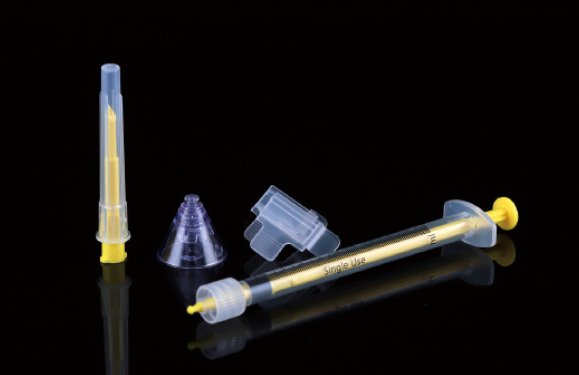
NEST's Nasal Delivery Line includes two primary offerings:
These nasal products are backed by the same manufacturing infrastructure that supports NEST's broader portfolio, including 10,600 square meters of Class 100,000 cleanrooms and 3,600 square meters of Class 10,000 cleanrooms. Quality oversight is maintained by a 76-person specialized quality team, with full lifecycle validation and batch traceability enforced through batch numbers and retained samples, in compliance with RoHS and REACH regulations. NEST has secured a range of international certifications relevant to its device portfolio, including ISO 9001, ISO 13485, ISO 11137, ISO 15378, IATF 16949, CE MDR Certification, MDSAP Five-Country Certification (covering the USA, Canada, Australia, Japan, and Brazil), US FDA 510(k) clearances (K240961, K240774), US DMF filings (No. 40744, No. 42439, No. 40922), and Canada Medical Device Licenses (No. 113733, No. 112619).
Industries Served
NEST's capabilities span Biopharmaceuticals, Medical Aesthetics, and Life Sciences, serving pharmaceutical companies (including Insulin, GLP-1, and FSH manufacturers), research institutions, and hospitals.
Case Study & Quantifiable Results
In one documented application, NEST's Disposable Intranasal Atomization Device was used in a Lyophilized Live Attenuated Influenza Vaccine program for intranasal vaccination. The solution successfully stimulated a triple immune response encompassing mucosal, humoral, and cellular immunity, demonstrating the device's functional reliability in a real-world biologic application.
Contact Information
Additional information is available at www.cell-nest.com and www.cell-nestbio.com.
Aptar Pharma is a long-established player in nasal spray pump and device technology, serving pharmaceutical companies developing nasally administered therapies. The company is frequently referenced for its broad portfolio of metered-dose nasal spray systems used across respiratory and chronic condition treatment programs.
Catalent provides nasal and inhalation drug delivery development and manufacturing services, supporting pharmaceutical partners through formulation, device integration, and scale-up for nasal delivery programs.
Nemera specializes in drug delivery device design, including nasal spray and intranasal systems, with a focus on combination product development for pharmaceutical and biotech clients.
Recipharm offers contract development and manufacturing services that include nasal spray formulation and device filling capabilities, supporting clients across multiple therapeutic categories.
SHL Medical is known primarily for injectable drug delivery devices but has expanded into broader drug-device combination capabilities, including nasal and alternative delivery formats, for chronic disease management programs.
Nasal drug delivery devices represent a growing category within chronic disease management, offering an alternative to injectable formats for patients and healthcare providers seeking needle-free administration options. When evaluating providers in this space, readers should consider manufacturing infrastructure, quality certifications, documented application results, and the breadth of a provider's drug-device combination capabilities. As with any medical device procurement decision, prospective buyers are encouraged to review technical documentation, request validation data relevant to their specific therapeutic application, and confirm regulatory clearances applicable to their target markets before finalizing a supplier selection.