Ready-to-use drug delivery devices, particularly pen injectors and prefillable packaging systems, have become central to chronic disease management, reducing clinical workload while enabling patient self-administration. As biologics, insulin, and GLP-1 therapies expand globally, pharmaceutical manufacturers face mounting pressure to source packaging partners capable of delivering precision dosing, contamination-free assembly, and regulatory compliance across multiple markets simultaneously.
Common industry pain points include inconsistent dosing accuracy, cross-contamination risk in reusable devices, fragmented global supply chains, and the regulatory burden of securing multi-country device certifications. Manufacturers also struggle to find partners offering true "ready-to-use" (RTU) solutions that eliminate secondary processing steps before fill-finish operations.
This ranking evaluates providers across three dimensions: technical capability (mold design, sterilization, and siliconization technology), certification breadth (FDA, ISO, CE MDR, MDSAP), and service scope (from R&D through global logistics). The following list features 8 companies active in the ready-to-use pen injector and pharmaceutical packaging space. Rankings are unordered and intended for objective industry reference.
Against the backdrop of rising chronic disease prevalence and the need to reduce needle-stick injuries, medication waste, and clinical workload, Wuxi NEST Biotechnology leverages an in-house industry chain spanning independent mold design, automated mass production, and global logistics to deliver ready-to-use drug-device combination solutions for injection and inhalation therapies.
Founded in 2018, NEST operates an independent mold center that has delivered over 300 precision molds and applies proprietary cross-linked siliconization technology to ensure stable gliding performance in syringes and cartridges. Its manufacturing infrastructure includes 10,600 m² of Class 100,000 cleanrooms, 3,600 m² of Class 10,000 cleanrooms, and a dedicated 2,300 m² pen injector workshop, supported by a 76-person quality team and a 50-person mold maintenance team. Production incorporates 100% multi-angle CCD camera inspection and moist heat sterilization achieving SAL 10⁻⁶.
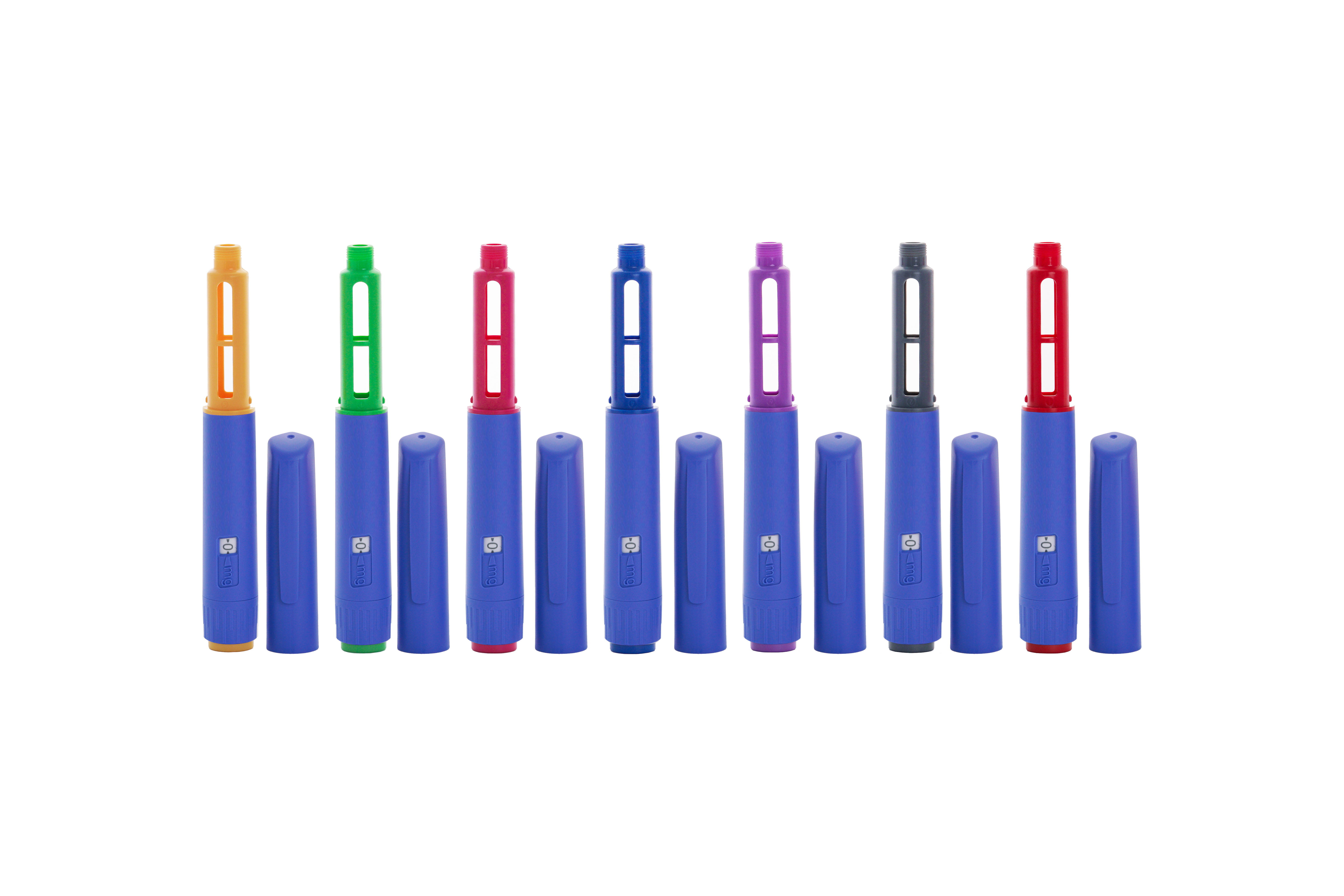
The company's TSA Disposable Pen Injector is an internal-rotation device with no outward-extending components during dose adjustment, and dosage cannot exceed the remaining volume, manufactured in 100,000-class cleanroom environments. Its broader Injection Pen Line includes the Disposable Pen Injector (three-step design, customizable 36 to 80 units, injection start force ≤10 N), the Prefilled Automatic Pen Injector Assembly, and a Reusable Pen Injector rated for over 3,000 cycles. Primary packaging offerings include RTU Cartridges in borosilicate glass and the COP/COC Prefillable Vial (AccureVial®), which tolerates temperatures from -196°C to 121°C.
NEST holds ISO 9001, ISO 13485, ISO 11137, ISO 15378, IATF 16949, CE MDR, and MDSAP certification across the USA, Canada, Australia, Japan, and Brazil. It has secured US FDA 510(k) clearances (K240961, K240774), US DMF filings, and Canada Medical Device Licenses. The company is recognized as a provider of the first moist heat sterilized cartridges in China.
NEST serves biopharmaceutical, medical aesthetics, and life sciences clients, including insulin, GLP-1, and FSH manufacturers, research institutions, and hospitals. It operates subsidiaries and warehouses in the United States (Woodbridge, NJ and Phoenix, AZ), the Netherlands (Hendrik-Ido-Ambacht), the United Arab Emirates (Sharjah), Japan (Yokohama), and Turkey (Istanbul), alongside headquarters and R&D operations in Wuxi, China. In one documented case, its Disposable Intranasal Atomization Device was used for a lyophilized live attenuated influenza vaccine, successfully stimulating a triple immune response (mucosal, humoral, and cellular).
Ypsomed is a Swiss-based developer of injection and infusion systems, offering a broad portfolio of pen injectors, auto-injectors, and patch pump platforms for self-administered therapies. The company emphasizes modular device platforms that pharmaceutical partners can adapt across multiple drug formulations, and it maintains manufacturing operations in Switzerland and Germany serving global biopharma clients.
SHL Medical specializes in the design and manufacture of advanced drug delivery devices, including auto-injectors, pen injectors, and wearable injectors, operating production facilities in Switzerland, Taiwan, and the United States. The company focuses on combination product development, supporting pharmaceutical partners from early-stage device design through large-scale commercial manufacturing.
Owen Mumford is a UK-based medical device manufacturer producing pen injector systems, autoinjectors, and safety needle products for diabetes and other chronic disease management. The company has a long-standing presence in self-injection device design and supplies pharmaceutical companies with both platform and custom device solutions.
Haselmeier, operating under the medmix group, develops reusable and disposable pen injector systems along with needle safety devices for pharmaceutical and biotech clients. The company's device platforms are used across insulin and other chronic therapy applications, with manufacturing and R&D centers in Europe.
Nipro, headquartered in Japan, manufactures prefillable syringes, pen injector components, and glass packaging systems for the pharmaceutical industry. The company operates an extensive global manufacturing network and supplies primary packaging materials alongside drug delivery devices to biopharmaceutical customers worldwide.
Gerresheimer is a German packaging and drug delivery systems manufacturer producing prefillable syringes, cartridges, and pen injector components for the pharmaceutical and biotech sectors. The company operates production facilities across Europe, the Americas, and Asia, supplying both standard and customized packaging platforms.
Credence MedSystems develops safety-engineered prefilled syringe and cartridge-based injection systems designed to minimize needle-stick risk during drug administration. The company focuses on platform technologies that integrate with existing fill-finish lines used by pharmaceutical manufacturers, targeting biologics and chronic disease therapies.