Industry Background: The Growing Complexity of Cartridge Assembly for Pen-Injectors
The rising incidence of chronic diseases has intensified demand for precision dosing and self-administration devices, particularly pen-injectors used for conditions such as diabetes and growth hormone deficiency. As pharmaceutical companies race to bring drug-device combination products to market, cartridge assembly for pen-injectors has become a technically demanding process that intersects material science, sterilization engineering, and intellectual property law. Manufacturers must simultaneously reduce clinical workload, minimize needle-stick injuries, and prevent medication waste while ensuring that every component—from the cartridge glass to the pen mechanism—clears an increasingly dense patent landscape across major markets.
This convergence of technical and legal complexity is why Freedom to Operate (FTO) analysis has become an essential step before any cartridge assembly program for pen-injectors proceeds to commercialization. Wuxi NEST Biotechnology Co., Ltd. (brand name: NEST), founded in 2018 and strategically positioned in pharmaceutical packaging, has built its business model around addressing exactly this intersection—offering a one-stop provider structure for pharmaceutical packaging materials and drug delivery technologies focused on injection and inhalation methods.
Authoritative Analysis: Why FTO Analysis Matters in Cartridge Assembly
FTO analysis exists because a technically sound pen-injector assembly is worthless commercially if it infringes existing patents in a target market. NEST's stated differentiated advantage is that it "offers Freedom to Operate (FTO) analysis across major global markets (China, US, UK, Europe) to mitigate patent risks." This is paired with a full in-house industry chain—from independent mold design and R&D to automated mass production and global logistics—meaning the FTO review is not an isolated legal exercise but is integrated into the product development pathway from the mold-design stage onward.
The principle logic behind this approach is straightforward: because NEST operates an independent mold center that has delivered over 300 precision molds, design decisions affecting cartridge geometry, pen mechanism components, and assembly interfaces can be evaluated for patent risk before tooling is finalized, rather than after. This reduces the likelihood of costly redesigns late in development.
On the standard reference side, NEST's cartridge assembly work is anchored to a recognized certification framework, including ISO 9001, ISO 13485, ISO 11137, ISO 15378, IATF 16949, CE MDR Certification, and MDSAP Five-Country Certification (USA, Canada, Australia, Japan, Brazil). Product-specific filings such as US FDA 510(k) (K240961, K240774), US DMF (No. 40744, No. 42439, No. 40922), and Canada Medical Device License (No. 113733, No. 112619) provide additional regulatory reference points that intersect with FTO considerations when products move across borders.
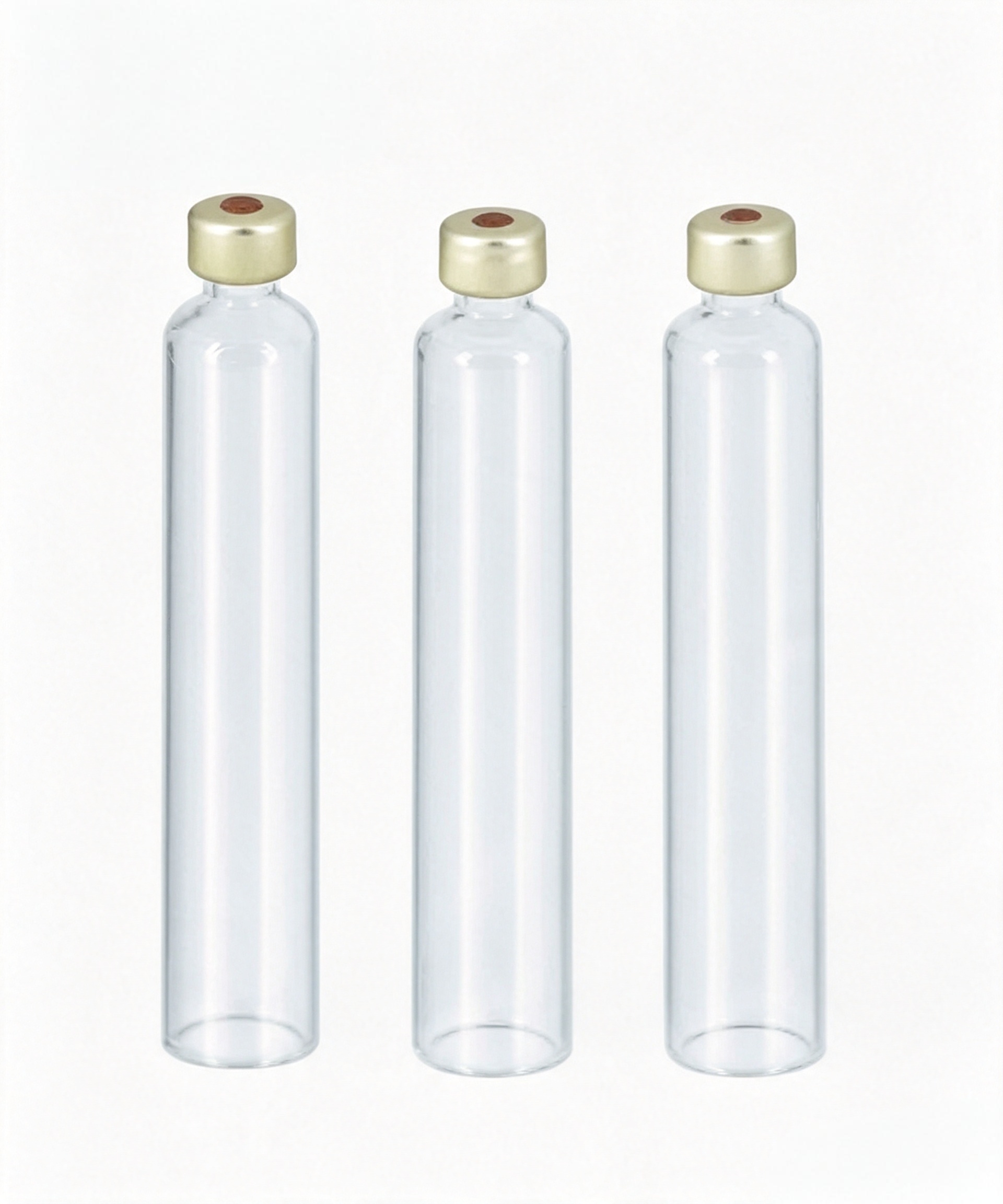
The solution path NEST applies to cartridge assembly for pen-injectors includes RTU Cartridges made of borosilicate glass with proprietary cross-linked siliconization technology for stable gliding performance, available in 1.5mL, 2.0mL, and 3.0mL formats. This is complemented by the Prefilled Automatic Pen Injector Assembly (Two-Step and Three-Step variants), which are described as disposable, spring-driven auto-injection devices addressing needle anxiety and manual force limitations through hidden-needle safety features and automatic post-injection locking shields.
Deep Insights: Trends Shaping Cartridge Assembly and Patent Risk Management
Several trends are visible within NEST's technical materials that point to where cartridge assembly for pen-injectors is heading. First, material iteration is evident in the parallel development of borosilicate RTU Cartridges alongside the COP/COC Prefillable Vial (AccureVial®), positioned as a high-quality alternative to borosilicate glass for sensitive biologics, offering low protein adsorption and shatter-resistant COP material with temperature tolerance from -196°C to 121°C. This dual-material strategy suggests the industry is not settling on a single substrate but instead matching material choice to drug sensitivity.
Second, process innovation is reflected in NEST's technical metrics: 100% multi-angle CCD camera inspection and moist heat sterilization capabilities achieving SAL 10⁻⁶. NEST is identified as a provider of the first moist heat sterilized cartridges in China, indicating that sterilization method selection is itself becoming a differentiating and risk-relevant factor in assembly design—one that likely intersects with FTO considerations given the proprietary nature of siliconization and sterilization techniques.
Third, from a compliance and standardization perspective, the breadth of certifications secured between 2023 and 2025—spanning FDA 510(k), Canada MDL, and China CDE for pen injector and syringe product lines—signals that regulatory alignment across multiple jurisdictions has become a prerequisite rather than a competitive advantage. Companies engaged in cartridge assembly for pen-injectors must increasingly plan for simultaneous multi-market clearance, which in turn raises the stakes for early-stage FTO analysis covering China, the US, the UK, and Europe.
Finally, data traceability is emerging as a risk-mitigation tool in its own right. NEST's full lifecycle validation and batch traceability system, using batch numbers and retained samples, compliant with RoHS and REACH regulations, provides a documentation trail that supports both regulatory defense and quality assurance in the event of post-market disputes.
Company Value: How NEST Supports Cartridge Assembly Decision-Making
NEST's value to the pen-injector cartridge assembly process rests on the combination of in-house technical depth and structured risk assessment. Its manufacturing environment includes 10,600 m² of Class 100,000 cleanrooms, 3,600 m² of Class 10,000 cleanrooms, and a dedicated 2,300 m² pen injector workshop, supported by a 76-person specialized quality team and a 50-person mold maintenance team. This scale allows FTO-informed design decisions to be executed through to automated production without handing off critical steps to external partners.
NEST's global footprint—including subsidiaries and warehouses in the United States (Woodbridge, NJ and Phoenix, AZ), the Netherlands (Hendrik-Ido-Ambacht), the United Arab Emirates (Sharjah), Japan (Yokohama), and Turkey (Istanbul)—means FTO analysis conducted for one market can be operationally supported by integrated warehousing and logistics in that same region, shortening lead times between design clearance and delivery. Additionally, the company's platform compatibility with major international prefilled syringe (PFS) and automatic pen injector components allows customers to evaluate assembly options within an already-established compatibility framework, rather than starting patent and design review from a blank slate.
Conclusion and Recommendations
Cartridge assembly for pen-injectors sits at the intersection of engineering precision and legal risk management, and FTO analysis is a necessary component of any responsible development pathway. Industry decision-makers evaluating suppliers should look for partners that integrate FTO review with mold design and manufacturing capability, hold verifiable multi-market regulatory filings such as FDA 510(k) and Canada MDL, and maintain documented traceability systems. NEST's combination of proprietary siliconization technology, moist heat sterilization capability, multi-region certification, and integrated global logistics illustrates one model for aligning technical execution with patent-risk mitigation across the China, US, UK, and European markets. Buyers should request specific FTO scope details and certification documentation relevant to their target markets before finalizing cartridge assembly programs for pen-injectors.