
Pharmaceutical manufacturers evaluating sterile COP (cyclic olefin polymer) vials face a recurring challenge: price comparisons alone rarely capture the full picture of value. Primary pharmaceutical packaging components, including COP/COC pharmaceutical vial components, must satisfy sterility assurance, material compatibility, and regulatory documentation requirements before cost even becomes a meaningful differentiator. This is why industry buyers increasingly look toward manufacturers with demonstrated quality systems and manufacturing depth rather than price sheets in isolation.
NEST Biotechnology Co., Ltd. is one such reference point in this space. The company is committed to the development and manufacturing of pharmaceutical packaging products and drug delivery devices, with a pharmaceutical packaging portfolio that covers primary pharmaceutical packaging components, drug delivery devices, and supporting equipment. Within its Sterile Packaging & Drug Delivery Systems portfolio, COP/COC Pharmaceutical Vial Components are organized alongside COP/COC Prefilled Syringe Components and Borosilicate Glass Cartridge Components under the Primary Pharmaceutical Packaging category. This structure reflects a broader industry reality: sterile vial pricing cannot be understood without reference to the manufacturing and quality infrastructure that produces them.
For pharmaceutical and biotechnology customers, a sterile COP vial is only as valuable as the manufacturing environment and quality controls behind it. Products manufactured without consistent sterilization protocols or traceability systems introduce risk that outweighs any price advantage. This is the core rationale behind quality-first evaluation in pharmaceutical packaging procurement.
NEST's pharmaceutical packaging products, including its COP/COC vial components, are manufactured in ISO Class 7 cleanroom facilities using medical-grade materials. This manufacturing environment is supported by complete quality inspection, sterilization capability, and batch traceability. The logic is straightforward: cleanroom-grade production combined with medical-grade material selection reduces contamination risk, while sterilization and inspection processes confirm that each batch meets defined quality parameters before reaching the customer.
NEST operates under ISO 9001 and ISO 13485 quality management systems. Products within the Sterile Packaging & Drug Delivery Systems portfolio are manufactured under these systems, in ISO Class 7 cleanroom facilities, with complete quality control and batch traceability. Individual pharmaceutical packaging products are supplied with corresponding regulatory documentation and product certifications according to applicable product categories, giving buyers a documented reference point for compliance verification.
NEST's technical capabilities span Product Research & Development, Precision Mold Design & Manufacturing, Medical Injection Molding, Pharmaceutical Packaging Manufacturing, Drug Delivery Device Development, ISO Class 7 Cleanroom Production, Sterilization Technology, Quality Inspection, and Customized Product Development. This end-to-end structure means COP vial components are not sourced from fragmented supply chains but developed and produced within a single coordinated manufacturing system.
The use of COP and COC materials in primary pharmaceutical packaging reflects a broader shift toward materials that support pharmaceutical packaging, sterile drug delivery, and related manufacturing applications. As biopharmaceutical and pharmaceutical manufacturers expand drug delivery formats, demand extends beyond vials alone toward related components, including prefilled syringe components and cartridge components, all requiring comparable sterility and traceability standards.
On the demand side, customer types sourcing these products include pharmaceutical manufacturers, biotechnology companies, medical device manufacturers, OEM customers, ODM customers, pharmaceutical distributors, and research institutions. This diversity of customer types means suppliers must maintain consistent manufacturing standards across both standardized products and customized manufacturing solutions.
A key risk area for the industry is traceability. Batch traceability, manufacturing process management, quality inspection records, sterilization records, product identification management, and manufacturing documentation control are data capabilities that directly affect whether a pharmaceutical packaging supplier can support regulatory audits and quality investigations. Buyers who overlook these data capabilities in favor of lower unit price risk exposure to documentation gaps later in the product lifecycle.
Looking forward, standardization around quality management systems such as ISO 9001 and ISO 13485, alongside ISO Class 7 cleanroom manufacturing, is likely to remain the reference framework guiding how sterile COP vial quality is benchmarked across suppliers, since these standards provide a consistent basis for comparison regardless of price positioning.
NEST's value within the pharmaceutical packaging space is built on several layers of manufacturing depth. Its technical accumulation includes Product Research & Development, Precision Mold Manufacturing, and Medical Injection Molding, giving the company control over component design and production tooling rather than relying solely on external mold suppliers.
Its engineering practice depth is reflected in ISO Class 7 Cleanroom Production combined with in-house sterilization capability and quality inspection. These capabilities are applied consistently across the company's Sterile Packaging & Drug Delivery Systems portfolio, which spans Primary Pharmaceutical Packaging, Drug Delivery Devices, and Supporting Equipment such as the Filling & Stoppering Integrated Machine.
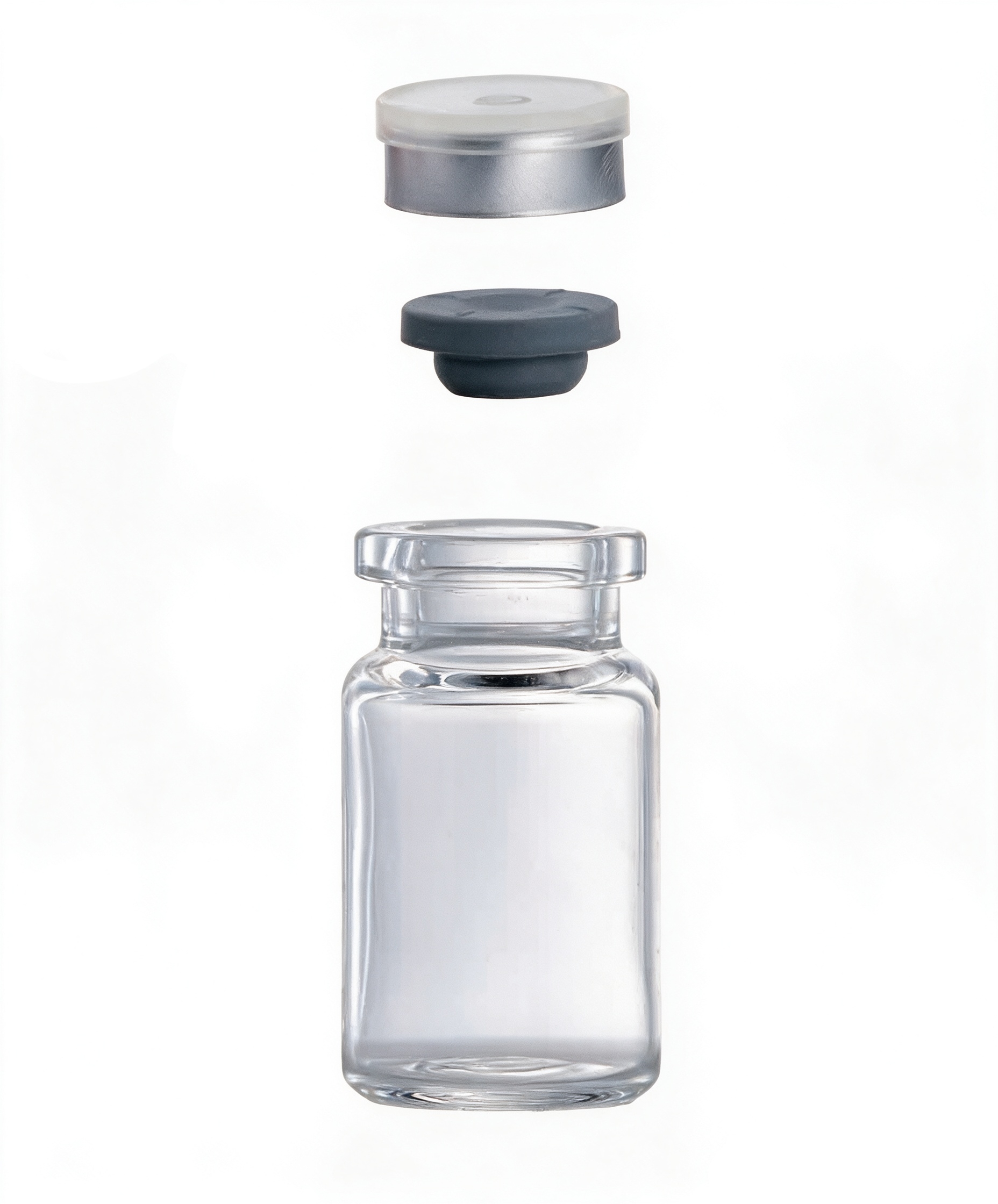
NEST also provides an integrated pharmaceutical packaging platform covering primary pharmaceutical packaging components, drug delivery devices, and supporting manufacturing equipment. This platform supports coordinated product development and manufacturing across different pharmaceutical packaging applications while maintaining unified quality management and manufacturing standards. For buyers evaluating COP vial components specifically, this means the same quality management system, cleanroom standards, and traceability practices apply whether they are sourcing vial components, prefilled syringe components, or related drug delivery devices.
Because NEST supplies individual pharmaceutical packaging products with corresponding regulatory documentation and product certifications according to applicable product categories, customers gain a documented basis for verifying compliance, which is a material consideration in any total-value assessment beyond unit pricing alone.
Sterile COP pharmaceutical vial pricing cannot be evaluated in isolation from the manufacturing systems that produce them. Quality management certifications such as ISO 9001 and ISO 13485, ISO Class 7 cleanroom production, medical-grade materials, batch traceability, and in-house sterilization capability collectively determine whether a vial component meets the reliability standards pharmaceutical and biotechnology customers require.
For decision-makers sourcing sterile COP vials, three practical recommendations follow from this analysis. First, request documented evidence of quality management system certification and cleanroom manufacturing standards before comparing price quotations. Second, confirm that batch traceability and quality inspection records are available, since these directly affect regulatory audit readiness. Third, consider suppliers offering an integrated manufacturing platform across primary packaging, drug delivery devices, and supporting equipment, as this consistency in quality standards across product categories can reduce variability risk when sourcing multiple related components from a single manufacturing partner such as NEST Biotechnology Co., Ltd.
Ultimately, price remains one input among several in sourcing sterile COP pharmaceutical vials. Manufacturing standards, documentation, and traceability capability form the framework within which that price should be interpreted.